The individuals who will hold senior staff positions in Washington, D.C, to ensure that the needs of America’s farmers, ranchers, and producers remain a top priority. Meet the six new leaders appointed to the USDA and how it will affect Farmers, Ranchers, and Producers.
On January 21, 2025, the U.S. Department of Agriculture (USDA) announced key senior staff appointments under its “America First” agenda, marking a significant step in shaping agricultural policy and leadership. This move is part of a broader effort to prioritize the needs of farmers, ranchers, and producers nationwide, offering an opportunity to address challenges and uncertainties in the agricultural industry.
Let’s explore the implications of these appointments for the agricultural community, what steps farmers and ranchers can take to prepare, and how to navigate this new chapter.
USDA’s New Leadership Appointments
The USDA’s new senior staff brings a wealth of experience and a commitment to advancing agricultural priorities. Among the appointees are:
- Kailee Tkacz Buller, appointed as Chief of Staff, brings extensive leadership experience. She served as President and CEO of the National Oilseed Processors Association and Chief of Staff to Deputy Secretary Stephen Censky, where she helped drive transformational change and oversaw operations of the agency with 100,000 employees and an annual budget of nearly $200 billion in a previous administration.
- Preston Parry, the new Deputy Chief of Staff, has a background in policy coordination and administrative leadership at the America First Policy Institute and the Domestic Policy Council. In addition, Parry served at the White House under President Donald Trump as the Executive Assistant to the Director of the Domestic Policy Council, Brooke Rollins during the first Trump Administration.
- Jennifer Tiller, now Chief of Staff to the Deputy Secretary and Senior Advisor for Food, Nutrition, and Consumer Services, has a strong track record in agricultural policy through her role with the House Committee on Agriculture.
- Ralph Linden, appointed as Principal Deputy General Counsel, brings decades of legal expertise from his tenure with the USDA’s Office of the General Counsel.
- Audra Weeks, the new Deputy Director of Communications, specializes in agricultural communications and has previously worked with USDA, U.S. Senator Roger Marshall, and the private sector.
- Dominic Restuccia, appointed as White House Liaison, has experience in legislative roles, making him well-equipped to foster collaboration between the USDA and other government bodies.
These appointments reflect the USDA’s commitment to addressing pressing issues in agriculture while fostering innovation and strengthening policies that benefit the nation’s producers.
What This Means for Farmers, Ranchers, and Producers
The new leadership signals a proactive approach to tackling the challenges America’s agricultural community faces. So, let’s take a deeper dive into what these changes could mean for farmers, ranchers, and producers:
- Strengthened Focus on Domestic Agriculture
The emphasis on an “America First” agenda means prioritizing domestic agricultural production. This could translate into increased funding, support for local producers, and enhanced market opportunities for U.S.-grown products.
- Policy Consistency and Stability
Experienced appointees like Kailee Tkacz Buller and Ralph Linden bring institutional knowledge that may result in more predictable agricultural policies. Stability in regulations, trade agreements, and subsidy programs will likely reduce uncertainty for producers.
- Expansion of Risk Mitigation Programs
With the potential for greater focus on risk management tools, farmers can expect more accessible crop insurance programs and disaster relief initiatives to safeguard against unpredictable weather, price volatility, and other challenges.
- Opportunities for Innovation
The USDA is likely to increase funding for research and innovation in agriculture, focusing on advanced farming techniques, technology integration, and sustainable practices. Farmers and ranchers can explore new methods to increase efficiency and profitability.
- Enhanced Communication and Advocacy
With a communications expert like Audra Weeks in leadership, farmers can expect improved outreach and advocacy efforts from the USDA. This may include better access to information about available programs, funding opportunities, and policy updates.
How Farmers, Ranchers, and Producers Can Prepare
To take full advantage of the opportunities created by this leadership transition, producers should consider these steps:
- Stay Engaged with USDA Programs: Watch for announcements and updates regarding new policies, funding opportunities, and risk management tools. Sign up for USDA newsletters or attend industry events to stay informed.
- Diversify Operations: Explore opportunities to integrate new technologies, diversify crops, or adopt sustainable practices that align with USDA priorities. These efforts could qualify for grants or financial incentives.
- Invest in Risk Management: Ensure you’re taking full advantage of crop insurance, disaster relief programs, and other tools to protect your operations from unforeseen challenges.
- Advocate for Your Needs: Participate in town halls, industry forums, or USDA outreach programs to share your concerns and needs with policymakers.
Support for Farmers, Ranchers, and Producers
1. Navigating Policy Changes
As the new presidential administration comes in farmers, ranchers, and producers should expect more regulatory changes, programs, and resources to be announced and revised. It is critical to ensure you understand and prepare to adapt strategically to stay on top of business and ensure your revenue grows. Whether it’s applying for new programs or adjusting operations to meet regulatory requirements, you will need a team with experience to ensure you stay ahead.
2. Securing Grants and Funding
Identify opportunities for financial support and seek guidance from an experienced grant writer to guide you through the application process, helping you identify the best grants for your project, understand your eligibility, and prepare competitive grant proposals to secure funding for projects that enhance your operations, develop new technology, and expand your business.
3. Mitigating Risks
Is your business ready to handle uncertainty? There isn’t much time left to start ensuring your business future is fully protected and ready to pass on to the next generation. From crop insurance to cybersecurity and operational efficiency solutions for farm operations, you need the proper tools to safeguard your livelihood. Speak to an expert
4. Embracing Innovation
To achieve long-term success, your business needs to align its operations with the priorities set forth by the USDA. This alignment not only enhances your credibility and reputation within the industry but also opens up opportunities for collaboration and support from government programs. By understanding and integrating USDA priorities—such as food safety, sustainability, and rural development—into your business strategy, you can better navigate regulatory requirements, improve efficiency, and ultimately contribute to the broader goals of enhancing the agriculture industry. By adopting this strategic approach, you can effectively position your farm to maintain its competitiveness and resilience in a frequently changing market landscape.
Key focus areas:
- Continually assessing market trends
- Understanding your customer’s needs
- Adapting your operations accordingly to demand, operational efficiency, and new regulation
The USDA’s new leadership appointments are pivotal for the agricultural community. With a focus on domestic production, innovation, and stability, the changes present an opportunity for farmers, ranchers, and producers to thrive.
Top 4 Grants for Farmers, Ranchers, and Producers in 2025
1. Business Builder Subaward Grant Program– The Heartland Regional Food Business Center will provide financial assistance through Business Builder (BB) Subawards of $5,000 to $50,000 each to support projects focused on meeting regional needs and increasing capacity among food and farm businesses working toward expansion in local and regional food markets. Grant funds can be used to:
- Building a website
- Setting up an online store
- Marketing expenses
- Feasibility studies
- Packaging
- Special purpose equipment (Learn More)
- Cost related to personnel working on the project
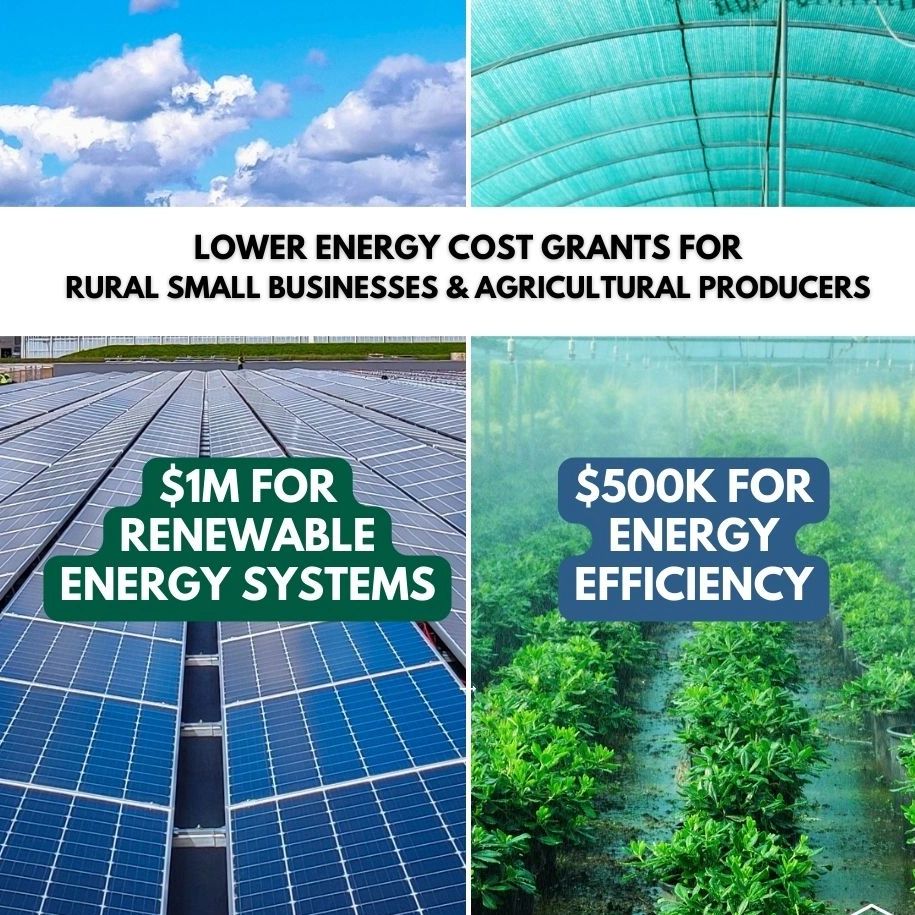
2. USDA REAP Grant– The Rural Energy for America Program (REAP) provides grant funding to agricultural producers and rural small businesses to purchase and install renewable energy systems and to make energy efficiency facility improvements. Grant funds can be used to purchase and install:
- Replacement of old equipment
- Small and large solar generation projects (e.g. solar panels)
- Upgrade HVAC system
- Insulation
- Lighting
- Cooling or refrigeration units
- Doors and windows
- Electric, solar or gravity pumps for sprinkler pivots
- Switching from a diesel to electric irrigation motor
- Biomass (for example: biodiesel and ethanol, anaerobic digesters, and solid fuels).
- Geothermal for electric generation or direct use
- Small and large wind generation
3. USDA VAPG Grant– The Value-Added Producer Grant (VAPG) program helps farmers enter value-added activities to generate new products and increase their income. Grant funds can be used for planning activities or for working capital expenses related to producing and marketing a value-added agricultural product:
- Conducting feasibility studies
- Developing business plans
- Developing marketing plans for the proposed value-added product
- Processing costs
- Marketing and advertising expenses
- Some inventory and salary expenses
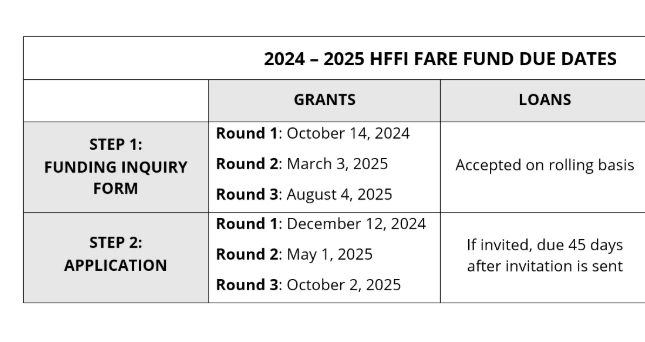
4. HFF Fare Fund– The FARE Fund seeks to primarily support Retail Outlets or Food Enterprises within the food retail supply chain which include;
(1) retailers or developers who might seek grant funding as a portion of an overall capital project to build a new grocery store or renovate a portion of an existing store in order to retain or expand access to full-service grocery stores in an Underserved Area.
(2) A community-based nonprofit organization or cooperative who is seeking funding for predevelopment and materials to develop an alternative or nontraditional retail distribution model such as a pop-up retail outlet in a low-population community that has limited access to fresh foods.
(3) A retail applicant seeking funding to expand e-commerce or delivery options to better reach rural communities not served by a grocery store.
(4) A food enterprise applicant might seek funding for equipment to expand their produce distribution company in order to improve and expand food access at a number of Retail Outlets in Underserved Areas.
Contact us today to learn how we can help you prepare for the future of agriculture.
Get support every step of the way. From navigating policy changes to securing funding and managing risks, our team is committed to helping you overcome challenges and achieve your goals.